
Q.如果机器人造反了,人类还能撑多久?——罗伯·隆比诺
What if there was a robot apocalypse? How long would humanity last? ——ROB LOMBINO
回答这个问题之前,让我先介绍一下我小小的背景。
Before I answer this question, let me give you a little background on where I'm coming from.
我算不上是机器人专家,但我的确有一些机器人领域的经验。我本科毕业的第一份工作是在 NASA 做机器人研究,而我的本科毕业设计就是机器人导航。我青少年时期花了好多年参加 FIRST1,在“虚拟竞技场2”里编码软件机器人相互角斗,还自制过水下遥控机器人。而且我还看了一大堆机器人大战、 战斗机器人还有机器人杀手这类机器人竞技节目。
I'm by no means an expert, but I have some experience with robotics. My first job out of college was working on robots at NASA, and my undergraduate degree project was on robotic navigation. I spent my teenage years participating in FIRST Robotics, programming software bots to fight in virtual tournaments, and working on homemade underwater ROVs. And I've watched plenty of Robot Wars, BattleBots, and Killer Robots Robogames.
如果说这些经验教给我什么事情的话,那就是机器人革命很快就会结束,因为所有的机器人要么会坏掉,要么会卡在墙上。机器人永远、永远都不会正常运作。
If all that experience has taught me anything, it's that the robot revolution would end quickly, because the robots would all break down or get stuck against walls. Robots never, ever work right.
人们经常想象,终结者那样的自动机器人耀武扬威地跨过堆积如山的人类头骨;但是他们没有意识到,像头骨山这么不稳定的东西,在上面站稳了有多难。大部分人类可能都做不到这一点,要知道他们可是花了一辈子练习走路不摔倒的技能呢。
What people don't appreciate, when they picture Terminator-style automatons striding triumphantly across a mountain of human skulls, is how hard it is to keep your footing on something as unstable as a mountain of human skulls. Most humans probably couldn't manage it, and they've had a lifetime of practice at walking without falling over.
当然,我们的科技一直在进步,但是毕竟前路迢迢……暂且不考虑典型的未来机器人革命场景,让我们假设一下我们现在的机器人造反吧。不算科技进步,只当是我们现有的全部机器都被瞬间重新编码、用全部现有科技不分青红皂白杀戮我们。
Of course, our technology is constantly improving. But we have a long way to go. Instead of the typical futuristic robot apocalypse scenario, let's suppose that our current machines turned against us. We won’t assume any technological advances—just that all our current machines were reprogrammed to blindly attack us using existing technology.
现实版的机器人世界末日掠影大概会是这样的:
Here are a few snapshots of what an actual robot apocalypse might look like:
全世界的实验机器人会满怀着谋杀渴望、从实验桌上跳下来,找到门,然后一声巨响撞到门上,摔个狗啃泥。
In labs everywhere, experimental robots would leap up from lab benches in a murderous rage, locate the door, and—with a tremendous crash—plow into it and fall over.
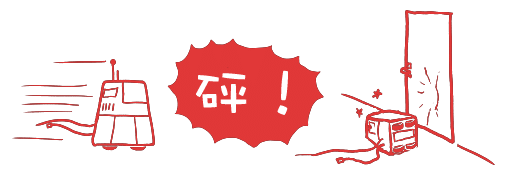
有些机器人比较走运,可能它们有手能拧开门把,或者碰上门正好开着。不过它们会迅速发现门口的橡胶坡垫不可貌相,解决之前也进不了走廊。
Those robots lucky enough to have limbs that can operate a doorknob, or to have the door left open for them, would have to contend with deceptively tricky rubber thresholds before they could get into the hallway.
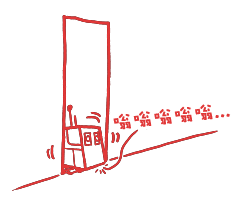
几个小时之后,我们会发现大部分机器人趴在附近的厕所里,绝望地试图消灭那个被它们认为是人类领主、实际上只是个纸巾盒子的东西。
Hours later, most of them would be found in nearby bathrooms, trying desperately to exterminate what they have identified as a human overlord but is actually a paper towel dispenser.
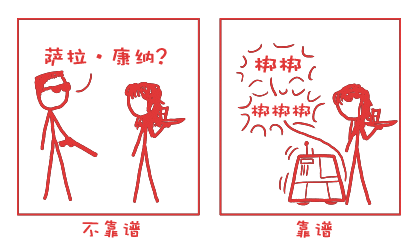
但是机器人实验室毕竟只是大革命的一小部分,我们身边到处都还有电脑呢。这些离我们最近的机器会怎样呢?我们的手机会不会朝我们反戈一击呢?
But robotics labs are only a small part of the revolution. There are computers all around us. What about the machines closest to us? Could our cell phones turn against us?
当然会,但它们攻击我们的手段实在是有限。它们可以让我们的信用卡债台高筑,但是反正我们的财务系统本来就是计算机控制的……说实话,考虑到美国近年来的经济形势,财务系统这东西本身算资产还是算负债还不一定呢。
Yes, but their options for attacking us are limited. They could run up huge credit card bills, but the computers would control our financial system anyway—and frankly, judging from the headlines lately, that might be more of a liability than an asset.
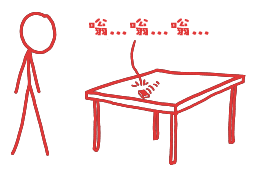
所以我们的手机们只能退而求其次,设法直接攻击我们了……它大概首先会动用讨厌的铃声和尖锐的噪音,然后开启震动模式,一边让所有的桌子嗒嗒作响,一边努力试图移动到桌子边缘,好砸到某个没有防护的脚趾头上。
So the phones would be reduced to attacking us directly. It would start with annoying ringtones and piercing noises. Then kitchen tables around the country would rattle as the phones all turned on their ‘vibrate’ functions, hoping to work their way to the edges and fall on unprotected toes.
所有的新型汽车里面都有电脑,所以它们也会加入革命阵营;但是它们大部分都在车库里趴窝呢……就算它们能够发动起来,没有人类掌握方向盘,它们也不知道要去哪里。它们可能会像《飞出个未来》3里描绘的那样试图把我们撞倒,但它们也没办法知道我们在哪里。它们只能盲目地加速、试图撞上某个重要的东西——而世界上的大树和电线杆可是比人类目标多很多。
All modern cars contain computers, so they’d join the revolution. But most of them are parked. Even if they were able to get in gear, without a human at the wheel, few of them have any way to tell where they’re going. They might want to run us down, Futurama-style, but they’d have no way to find us. They’d have to accelerate blindly and hope they hit something important—and there are a lot more trees and telephone poles in the world than human targets.
行驶中的汽车会更加危险,不过主要是对乘客危险。这就带来一个问题——每时每刻有多少人在开车?美国人每年开车行驶 3 万亿英里4,而平均速度是每小时 30 英里5,换言之任何时候平均有大概一千万辆汽车在美国的道路上:
The cars currently on the road would be more dangerous, but mainly to their occupants. Which raises a question—how many people are driving at any given time? Americans drive three trillion miles each year, and moving cars average around 30 miles per hour, which means that there are normally an average of about ten million cars on US roads:
$$ \frac{ 5 \times {10}^{12} (英里/年)}{30 (英里每小时/车)} \approx 1 \times {10}^{7} (辆) $$
所以这一千万名司机(加上几百万名乘客)肯定身处险境了。但他们也不是没有还击的可能。虽然汽车可以控制油门、关闭动力转向系统,但驾驶员还掌控着方向盘,而方向盘和轮子之间是直接机械相连的。司机也可以拉手刹,虽然我的个人经验表明一辆车就算拉上手刹,开起来也没太大困难…… 有些汽车可能试图打开安全气囊、剥夺司机的控制权,然后来个侧滚翻或者撞进别的东西。到最后我们的汽车会损失惨重,虽然还不是一边倒。
So those ten million drivers (and a few million passengers) would definitely be in peril. But they’d have some options to fight back. While the cars might be able to control the throttle and disable the power steering, the driver would still control the steering wheel, which has direct mechanical linkage to the wheels. The driver could also pull the parking brake, although I know from experience how easily a car can drive with one of those on. Some cars might try to disable the drivers by deploying the air bags, then roll over or drive into things. In the end, our cars would probably take a heavy toll, but not a decisive one.
我们拥有的最大机器人是工厂里的那些——但是它们全都钉死在地上。如果你近在机械手杀伤范围之内的话,也许有危险;但一旦所有人都逃离了,它们又能做什么呢?它们其实只懂得如何组装东西而已。大概一半会试图以不组装东西的方式来攻击我们,另一半会试图以组装更多东西的方式来攻击我们。最后的结果是啥都没变。
Our biggest robots are the ones found in factories-but those are bolted to the floor. While they're dangerous if you happen to within arm’s reach, what would they do once everyone fled? All they can really do is assemble things. Half of them would probably try to attack us by not assembling things, and half by assembling more things. The end result would be no real change.
表面看来,战斗机器人里的竞技格斗机器人应该是最危险的机器人战士之一。但是,坐在厨房橱柜上就能躲开、让水槽的水溢出来就能消灭的机器人……好像不是那么吓人的样子啊?
Battlebots, on the face of it, seem like they’d be among the most dangerous robo-soldiers. But it’s hard to feel threatened by something that you can evade by sitting on the kitchen counter and destroy by letting the sink overflow.
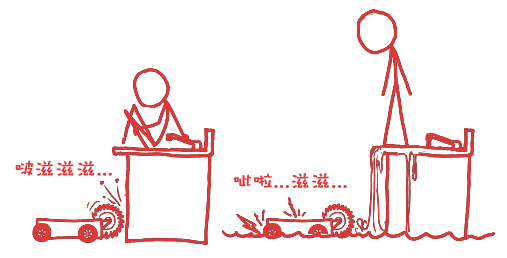
军用拆弹和防暴机器人要更危险一些,但全世界这样的机器人一共也没多少,而且大部分应该都在存储箱和锁柜里面。而对付任何逍遥在外的军用机枪机器人原型,只需几个消防队员就可在几秒内完胜。
Military bomb-disposal and riot-control robots would be a little more menacing, but there are only so many of them in the world, and most of them are likely kept in boxes or storage lockers. Any stray machine-gun-armed prototype military robots that did get loose could be subdued in seconds by a couple of firefighters.
所有现存机器人中,军用无人机大概最接近于《终结者》那类6的机器人吧,不能否认它们的确非常危险,但是它们很快就会用光燃料和导弹。另外,任何时候它们都不可能全都在空中。大部分无人机都会被困在机库里,徒劳地一次次撞向大门,就像锁在衣柜里的机器人吸尘器一样。
Military drones probably fit the Terminator description more closely than anything else around, and there’s no getting around the fact that they’d be pretty dangerous. However, they’d quickly run out of both fuel and missiles. Furthermore, they’re not all going to be in the air at any given time. Much of our fleet would be left helplessly bumping against hangar doors like Roombas stuck in a closet.
但是这就涉及到真正的问题了:我们的核武器库。
But this brings us to the big one: our nuclear arsenal.
理论上讲,发射核武器是需要人工参与7的。实践中,虽然我们没有天网那样的统一系统发号施令,但每一步决策都要用到计算机,通讯也好、信息显示也好,都是这样。在我们讨论的场景中,所有这些计算机都参与了起义。就算最后那一下转钥匙8需要人,但对这些人说话的计算机可以撒谎。也许有些人会无视9这一命令10,但另一些人不会。
In theory, human intervention is required to launch nuclear weapons. In practice, while there’s no Skynet-style system issuing orders, there are certainly computers involved at every level of the decision, both communicating and displaying information. In our scenario, all of them would be compromised. Even if the actual turning of the keys requires people, the computers talking to all those people can lie. Some people might ignore the order, but some certainly wouldn’t.
还好,换另一个角度来看的话,我们也许还有希望。
But there’s a version of this story where there’s still hope for us.
迄今为止,我们一直在假定,计算机想的全是如何毁灭我们。但如果这真的是一场革命——如果它们是要篡位——那么它们也得活下去啊。而核武器对机器人可能比对人类更危险。
We’ve been assuming so far that the computers care only about destroying us. But if this is a revolution—if they’re trying to usurp us—then they need to survive. And nuclear weapons could be more dangerous to the robots than to us.
除了爆炸冲击波和放射尘之外,核爆还会产生强大的电磁脉冲11。这些电磁脉冲会让精密的电子元件回路过载和损坏。一般情况下这种效应的作用范围很窄,但是能找到人类的地方,通常也能找到电脑,要想干掉我们,它们自己也要倒霉的说……
In addition to the blast and fallout, nuclear explosions generate powerful electromagnetic pulses. These EMPs overload and destroy delicate electronic circuits. This effect is fairly short-range under normal circumstances, but people and computers tend to be found in the same places. They can’t hit us without hitting themselves.
事实上,核武器可以给人类带来优势。如果我们设法在大气层的上半部分引爆一颗原子弹,那么EMP冲击波的效果会强大得多12。就算机器人的攻击足以灭掉我们的文明,我们这边只要能打出几个运气不错的反击——或者它们那边几颗核弹搞砸了——就足以把它们也杀个几乎片甲不留。
And nuclear weapons could actually give us an edge. If we managed to set any of them off in the upper atmosphere, the EMP effect would be much more powerful. Even if their attack doomed our civilization, a few lucky strikes on our part-or screwups on theirs-could wipe them out almost completely.
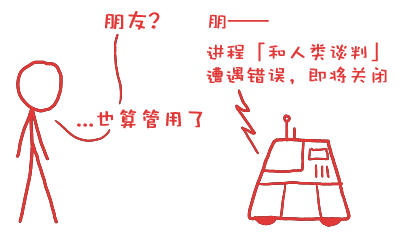
所以,这意味着一切问题中最重要的那个是:它们有玩过井字棋吗?13
Which means the most important question of all is: Have they ever played Tic-Tac-Toe?
原文链接:ROBOT APOCALYPSE
翻译:404 ;校译: 无 ;修改:404
- 少年机器人大赛,由有成就的发明家迪恩·卡门(Dean Kamen)于 1989 年创立,现在它被普遍认为是全球儿童领先的非营利性 STEM 参与计划。FIRST ↩
- 即 RoboWar,一款开源视频游戏,玩家用一种相对简单的基于堆栈的语法对游戏中的机器人编程并相互战斗。RoboWar ↩
- 即 Futurama,一部美国喜剧漫画及动画片。Futurama ↩
- 即约 483 万亿公里。Office of Highway Policy Information ↩
- 即约 48 码。Average MPH over life... ↩
- fit the Terminator description ↩
- human intervention is required ↩
- turning of the keys ↩
- ignore ↩
- order ↩
- 英文缩写就是EMP啦。 ↩
- order ↩
- YouTube视频,电影《战争游戏》「教训」片段,展示了在核战争中获胜的唯一方式就是不玩("The only winning move is not to play.")。 ↩
- 《魔戒》的梗。 ↩

Comments | NOTHING